Packing list for Argentina from Australia, by region
Pack light clothes for a Buenos Aires summer, wind and rain layers for Patagonia, and warmth for altitude. Argentina uses Type I sockets at 220 V/50 Hz; check your device’s input label before plugging it in.
Updated · 7 min read
The short version
- Season pattern
- Summer: December–February; winter: June–August
- Argentine power
- Type I sockets; 220 V / 50 Hz
- Cash declaration
- Australia: AUD 10,000; Argentina: separate USD 10,000 declaration threshold
- Winter crossing
- Winter snow can close Andes passes into Chile
Pack for your actual stops. Buenos Aires may call for light summer clothes; a Patagonian hike needs wind and rain protection. An Australian Type I plug often fits an Argentine Type I socket, but check the appliance’s voltage, polarity and earthing before using it.
What belongs in the bag for each season
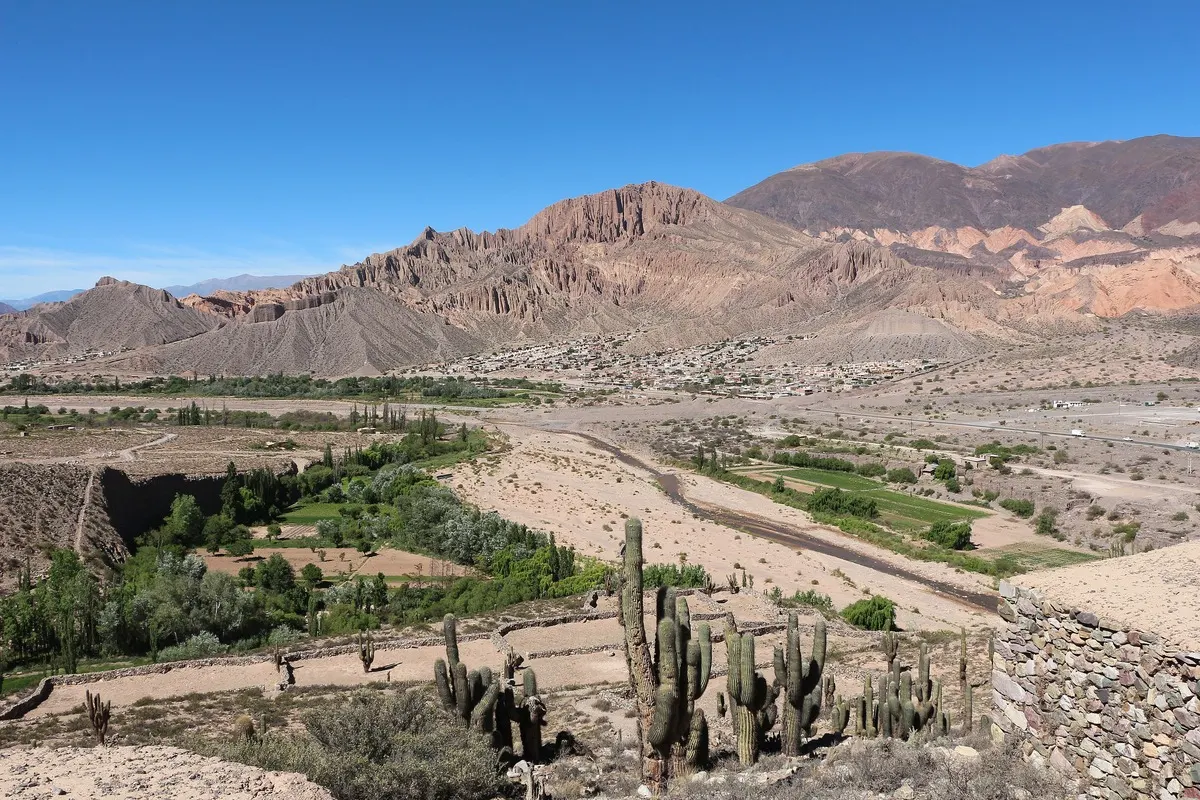
Argentina shares Australia’s Southern Hemisphere seasons: summer is December–February and winter is June–August. Don’t pack for the whole country as if it were one suburb. Buenos Aires, the northern highlands and Patagonia call for different layers, particularly on an August trip.
| Season in Argentina | Buenos Aires and central cities | North, Andes and Patagonia |
|---|---|---|
| Summer, December–February | Light breathable clothes, hat, sunglasses, sun protection and a light rain layer. | Add rain protection for northern destinations; for the high Andes or Patagonia, take layers and a windproof outer shell even if you leave a hot city. |
| Autumn, March–May | Light layers for changing days and cooler evenings. | Pack a warmer mid-layer for southern or high-altitude stops. |
| Winter, June–August | Warm layers and a coat for city evenings. | A proper insulating layer, weatherproof shell, gloves and suitable footwear for snow or exposed walks; winter snow can close Andes crossings into Chile. |
| Spring, September–November | Layers plus sun and rain protection. | Keep the windproof layer for Patagonia and a warm layer for altitude. |
Check the local forecast for any trail you plan to walk. Argentina’s National Meteorological Service covers the days and places you’ll actually visit. If you are heading south, plan the Patagonia leg before deciding which layers stay in your carry-on. For a trip spanning multiple regions, choose your travel month with those regional conditions in mind.
Which shoes and day gear earn their space?
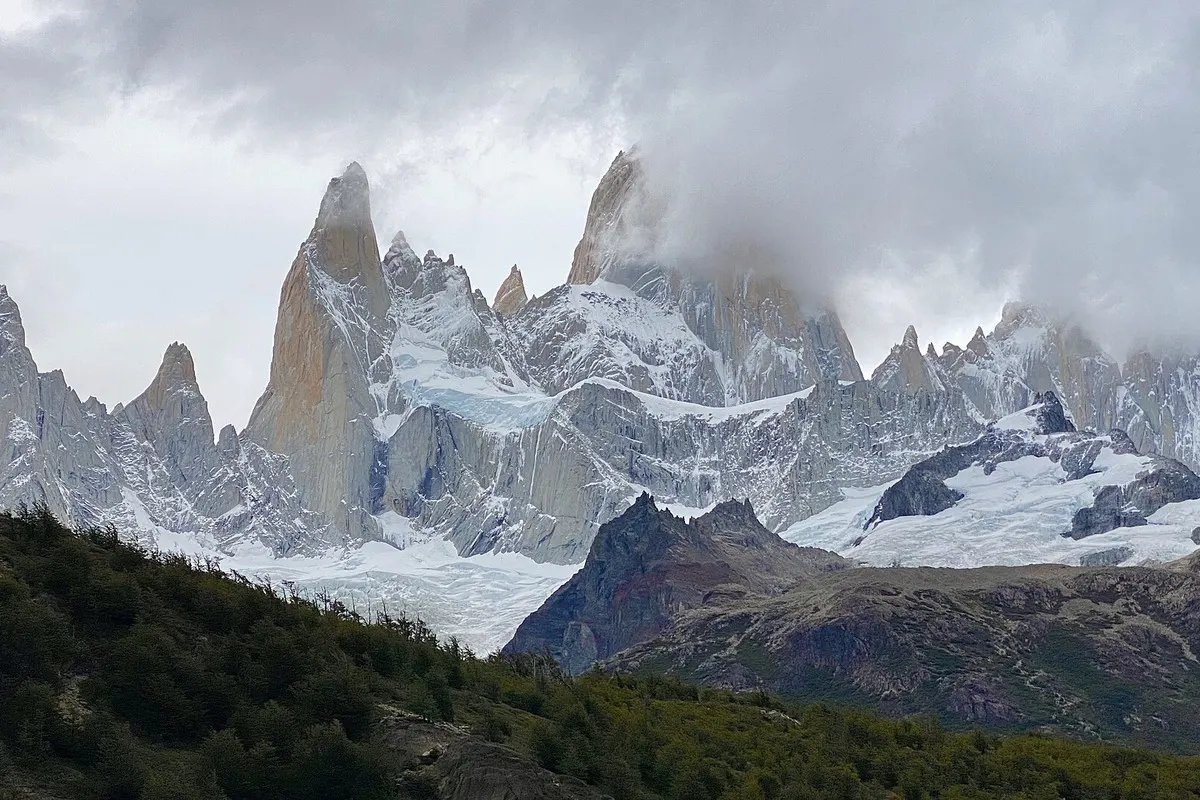
Bring comfortable, worn-in shoes for city days and trail footwear if you plan to hike. A day bag leaves water, sunscreen and a weather layer within reach. For an exposed Patagonian walk, take a wind-resistant outer layer rather than a wardrobe of heavy cotton. Persistent westerly winds are part of the deal there. In the north's elevated Puna, daytime sun can coexist with much colder conditions after sunset, so a light down or fleece layer is useful even in a summer itinerary.
Put your passport, bank cards, medicines and a change of clothes in hand luggage rather than checked baggage. Argentina's airport security police specifically advise carrying valuables, documentation, electronics and prescription medicines in hand luggage. Keep liquids and sharp items within your operating airlines' cabin rules; your connection may involve more than one carrier.
Will an Australian plug work in Argentina?
Argentina's tourism office specifies Type I sockets and 220 V, 50 Hz. Australia’s familiar three-flat-pin Type I shape may look like a match. Many Australian phone and laptop chargers accept the local supply if the printed INPUT range includes 220 V and 50 Hz. Read your charger’s actual label before plugging it in. An adapter changes the plug connection, not the voltage or frequency. A 110 V-only device needs more than a plug adapter on a 220 V supply.
Matching pins tell you nothing about safe earthing or polarity. Ask a qualified electrician about earthed or polarity-sensitive appliances, and keep the earth pin intact. Leave Australian heating appliances at home if their input label or safe use in the local installation is uncertain. Bring a reputable, appropriately rated adapter only when the socket or device actually requires one; Type C sockets also occur but are not guaranteed.
How should you pack cards, pesos and medicines?
Pack two usable cards in separate places, plus a modest amount of cash for somewhere that won’t take your card. Visa says eligible foreign-issued card purchases receive a preferential tourist conversion rate. ATM withdrawals and individual issuers may use different rates. When a terminal offers to charge in AUD, choose ARS to avoid the terminal's dynamic currency conversion markup, and read any ATM operator fee on screen before accepting. For the rate and ATM distinctions, see using Australian cards in Argentina. Do not carry all your cards or all your cash in one pocket.
Carry prescription medicines in original labelled packaging with the prescription and a clinician's letter identifying the generic ingredient and the purpose of treatment. Argentina's airport security police recommend hand luggage for medicines with prescriptions. Argentina may treat an Australian over-the-counter medicine differently, especially if it is controlled. Ask the Argentine consulate or medicines regulator ANMAT about the substance and quantity before departure. Keep a supply in your cabin bag in case checked luggage arrives later, subject to airline liquid and security limits. Travel insurance that covers your route, medical bills and evacuation belongs on your departure checklist: Smartraveller warns that private facilities may demand cash before treatment and the Australian Government will not pay your medical bills.
If you carry physical cash of AUD 10,000 or more (or equivalent foreign currency) across the Australian border, declare it to AUSTRAC. Argentine customs sets a separate USD 10,000 threshold and requires a special declaration for larger inward amounts; check its current rules before carrying that much. Check each country’s threshold separately.
What to change for a multi-stop route
For a Buenos Aires–north–Patagonia itinerary, use a small layering system. You don’t need a separate suitcase for each leg. Keep rain protection accessible on northern travel days; move the warmer layer to the top of the bag before flying south. Check the airline's baggage allowance on each domestic sector and leave room for a heavier shell if your plans include high-altitude hikes or winter snow. A backpacking route through Argentina helps put those climate changes in travel order. Keep sunscreen, medication and a weather layer within reach in case your main bag is delayed.
Questions Aussies ask
Do Australian three-pin plugs work in Argentina?
Many Australian plugs fit Argentina’s Type I sockets. Check the appliance INPUT label for 220 V/50 Hz, and ask a qualified electrician about earthing or polarity-sensitive equipment.
Do I need a voltage converter in Argentina?
A device rated for 220 V and 50 Hz needs no voltage converter. A passive plug adapter cannot safely run a 110 V-only device on Argentine mains.
What should I pack for Argentina in December?
Pack breathable clothes and sun protection for Buenos Aires. Add a rain layer for the north and windproof warm layers for Patagonia or high-altitude stops; conditions vary by region.
Can I take my prescription medication to Argentina?
Carry prescription medicines in labelled original packaging with the prescription and a clinician’s letter, ideally in hand luggage. Ask the Argentine consulate or ANMAT about controlled or unusual medicines and quantities before travelling.
Should I pack cash or rely on an Australian card?
Take a backup card and some cash. Foreign-card purchase rates can differ from ATM withdrawal rates, and a machine may add a fee.
Sources
- Visit Argentina: Argentina Weather · Regional conditions and seasons.
- Visit Argentina: What plug is used in Argentina · Type I and 220 V/50 Hz.
- Smartraveller: Argentina · Andes closures and medical cover.
- Policía de Seguridad Aeroportuaria: Preparación de su equipaje · Hand luggage for medicines, cards and valuables.
- Visa Argentina: Foreign card tourist exchange rate
- Visa Australia: Dynamic currency conversion
- BCRA: Cajero automático, operaciones, costos y seguridad
- AUSTRAC: Moving money overseas
- ARCA: Ingreso y egreso de valores