Backpacking Argentina itinerary: north to Patagonia
Start in Buenos Aires, then choose Iguazú and the north or the lakes and Patagonia if you have 2–3 weeks. Give the full north-to-south route more time.
Updated · 7 min read
The short version
- Tourist stay
- Australian tourists can stay visa-free for up to 90 days.
- BA to Mendoza
- 15h 30m, ARS 58,400 / about AUD 54.76, 28 September 2026
- BA to Bariloche
- 24h 15m, ARS 179,000 / about AUD 167.85, 29 September 2026
- Patagonian hiking
- Plan hikes November–March; May–September is winter at Los Glaciares.
With 2–3 weeks, pick northern Argentina or Patagonia. The full backpacking route runs Buenos Aires → Puerto Iguazú → Salta/Jujuy → Mendoza → Bariloche → El Chaltén → El Calafate → Ushuaia, but those are separate legs. The September 2026 Buenos Aires–Bariloche bus example alone took 24 hours 15 minutes. Save the lot for a longer trip.
Which stops belong on the north-to-south route?
| Leg or stop | What to do there | Ground travel time / bus-versus-flight decision | Best planning window |
|---|---|---|---|
| Buenos Aires → Puerto Iguazú | Start in the capital, then visit Iguazú National Park. | Compare the complete bus journey with a dated flight checkout; allow for terminals and transfers. | Iguazú is possible year-round; river flow and weather change. |
| Puerto Iguazú → Salta/Jujuy | Keep the northern stops together before turning south. | Search this as a separate journey: check the actual connection before booking. | Fit this leg around Iguazú weather and the later southern season. |
| Salta/Jujuy → Mendoza | Move towards wine country; harvest enquiries centre on February–April. | Compare dated bus connections with a flight; the cheapest route may change your stop order. | February–April for harvest enquiries; picking dates vary. |
| Mendoza → Bariloche | Shift from the wine region to the lakes and mountains. | Compare onward bus connections with flight checkouts before reserving the next stop. | November–March for an outdoor-focused Patagonian route; June–September for skiing, subject to snow. |
| Bariloche → El Chaltén | Move south for the northern Los Glaciares trails. | Leave a transfer day rather than assuming the southbound trip fits between hikes. | November–March for hiking, with weather slack. |
| El Chaltén → El Calafate | Change base for the Glaciar Perito Moreno boardwalks. | Check the ground connection for your date. Allow time between these separate bases. | November–March for outdoor plans; weather varies all year. |
| El Calafate → Ushuaia | Finish at Tierra del Fuego. | Compare the bus and flight options for your date; an overland journey may require border formalities. | November–March for a southern outdoor trip. |
Price and travel-time snapshot: 28–29 September 2026. Price each leg against flights, and book each leg separately. For a measured alternative that skips several stops, a Vía Tac bus from Buenos Aires Retiro to Mendoza on 28 September departed 19:30 and arrived 11:00 the next day: 15 hours 30 minutes, ARS 58,400 (about AUD 54.76). A 29 September Chevallier example from Retiro to Bariloche ran 15:15 to 15:30 the next day: 24 hours 15 minutes, ARS 179,000 (about AUD 167.85). AUD estimates use Wise's 29 September 2026 mid-market quote of AUD 1 = ARS 1,066.43; they are not card settlement amounts. These fares are dated snapshots for those routes. Check every other connection separately.
How many stops fit in two or three weeks?
For 2–3 weeks, try Buenos Aires, Puerto Iguazú, and Salta/Jujuy in the north. Add Mendoza only if the timetable leaves room. A southern trip can start in Buenos Aires, continue to Bariloche, then use El Chaltén and El Calafate as separate bases; add Ushuaia only if you have the days, rather than ticking it off by force. Try to squeeze Iguazú and far-southern Patagonia into a short trip and you’ll lose days in transit, even if you fly. If you want the entire sequence, allow substantially longer and price each transfer before fixing the return flight.
If you’re coming mainly for Patagonia, plan the Patagonia portion first. National Parks describes May–September as winter at Los Glaciares and warns that weather shifts in every season. For trails around El Chaltén, November–March is a practical planning window; allow for bad weather. Before climbing or heading into remote areas, register at the park visitor centre or through its virtual option; the De Agostini, Capri and Poincenot campsites require reservations. Take water, food, waterproof and warm layers, a torch and sunscreen on marked trails.
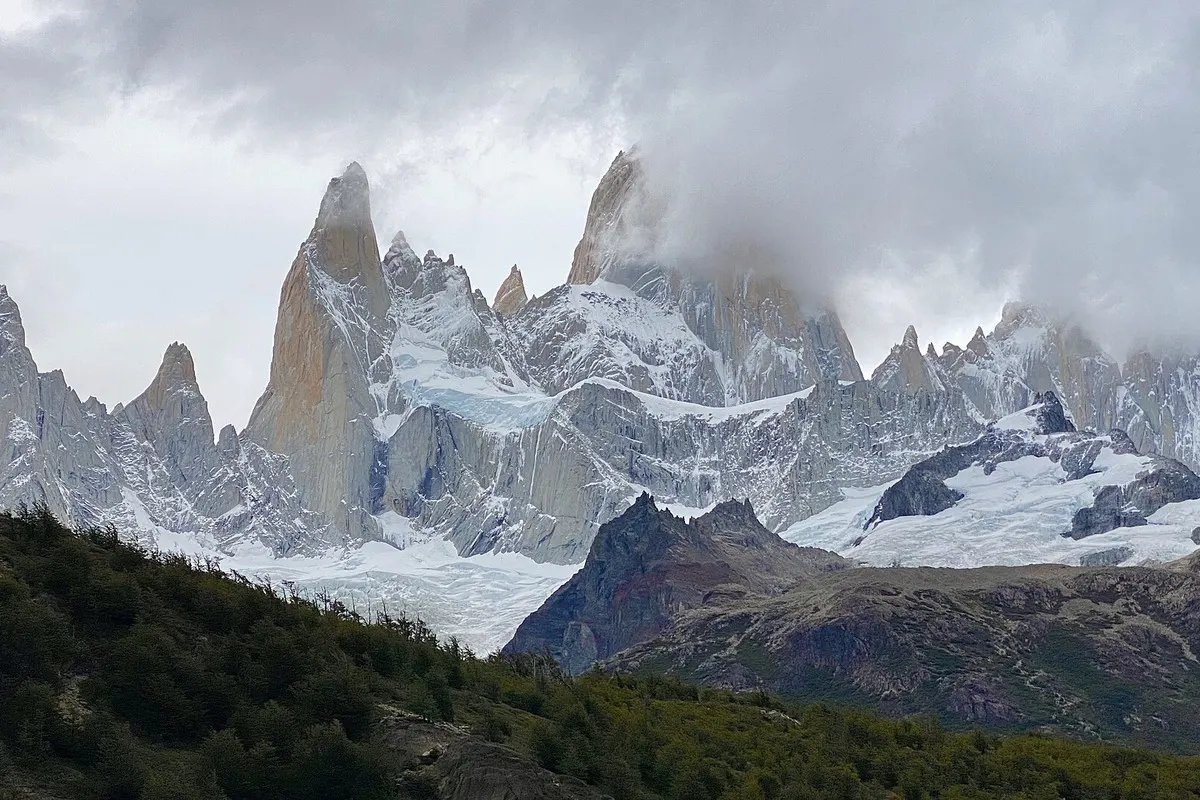
El Chaltén is the base for the northern Los Glaciares trails, including Fitz Roy approaches. El Calafate is the base for the Glaciar Perito Moreno boardwalk area, which has an accessible ramp route and assisted wheelchair service. Glaciar Perito Moreno sits inside Los Glaciares National Park; Parque Nacional Perito Moreno is a different park altogether. Check the park name in your booking and navigation search. One wrong Perito Moreno will send you somewhere else entirely.
Where does a bus beat a flight?
Compare the door-to-door cost for your date, not just the headline fare. Aerolíneas Argentinas says checked baggage depends on the fare family and can cost extra; compare its checkout total with Flybondi and JetSMART, baggage included. Add transfers between your lodging and the departure and arrival points. The September 2026 Bariloche bus example takes a whole night and most of a day. Price flights with luggage before deciding.
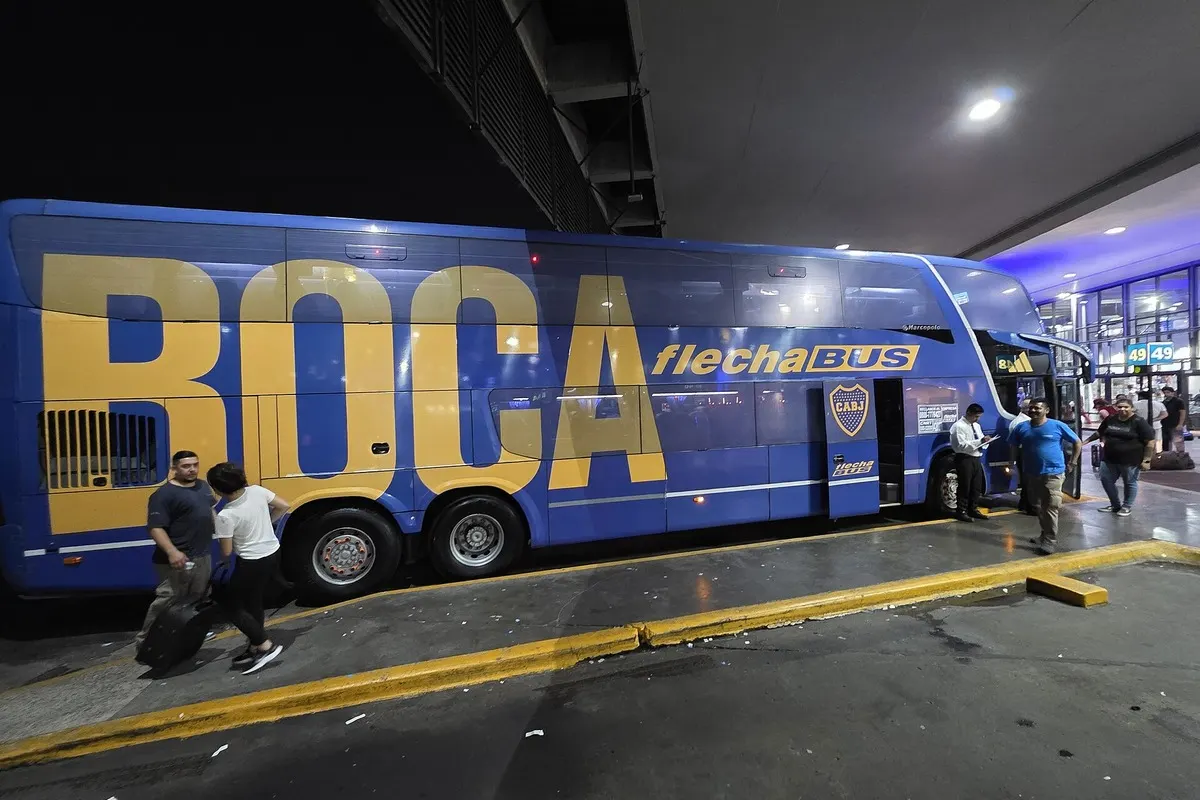
For the bus, read the terminal and departure date alongside the price. Comparison results for the Buenos Aires–Mendoza corridor can start at Retiro, Once or Villa Tesei. A terminal change can undo a neat connection, however tidy the timetable looks. See the September 2026 backpacker costs for the measured bus examples, park tickets and why flight quotes belong outside a fixed daily allowance.
Which season changes the route?
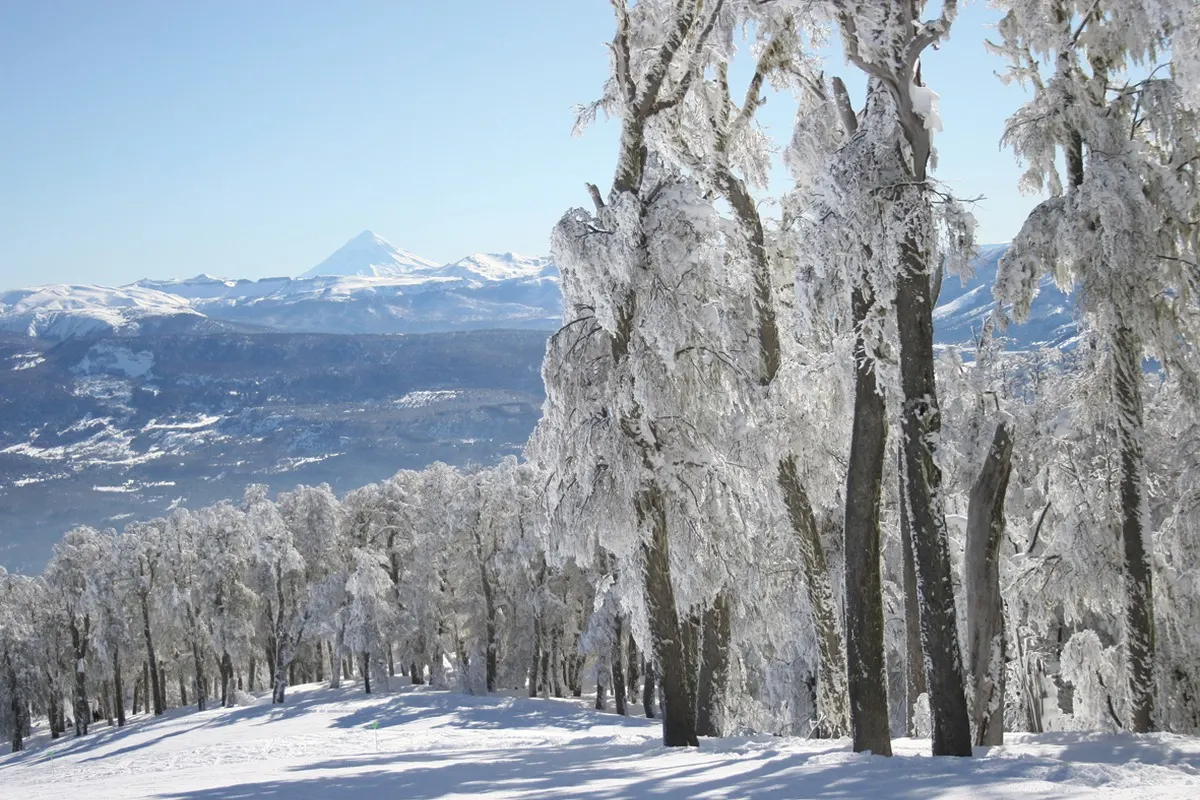
Northern Iguazú can be visited throughout the year, with weather and river flow affecting the experience. For Mendoza grape-harvest enquiries, plan around February–April; actual picking dates move with weather and grape variety. For a southern hiking trip, start planning around November–March; for ski-town plans, June–September is the winter work and resort window, with snow and opening dates varying. Compare Argentina's seasons before joining far-apart climates in one backpack.
Australian tourists can enter Argentina without a visa for up to 90 days; the actual permission granted controls your stay, and tourist admission does not allow local paid work. If you’re also looking for work, read the working-holiday jobs overview before taking any shift. Travel insurance should cover medical evacuation and the activities you have booked, including snow sports where relevant: Australian consular officials do not pay hospital or evacuation bills.
What needs budgeting at the parks?
National Parks' schedule effective 1 June 2026 lists general daily admission at ARS 60,000 for Iguazú (about AUD 56.26), ARS 50,000 for Los Glaciares (about AUD 46.89) and ARS 40,000 for Tierra del Fuego (about AUD 37.51). Los Glaciares also lists a three-day Flexipass at ARS 100,000 (about AUD 93.77). AUD estimates use the same 29 September reference. Australians should budget for the general category: the listed Argentine student category requires both an Argentine DNI (national identity card) and Argentine-institution enrolment, not just an Australian university card. Park tickets don’t cover buses, flights, guides, or food.
Keep your bag in hand while buying tickets or checking in. UK government travel advice warns about pickpockets at bus and train terminals and thieves posing as hostel guests. In Buenos Aires it also flags phone grabs and distraction theft around Retiro. If you add Chile, Uruguay or Bolivia, use the crossing guide and check that country's Australian-passport entry rules separately; Argentine tourist admission applies only to Argentina.
Questions Aussies ask
Can I see Iguazú and Patagonia in three weeks?
Yes, but long transfers eat into your three weeks. Pick the north or Patagonia if you want more days on the ground.
Is El Chaltén a daytrip from El Calafate?
Use separate bases: El Chaltén for the northern Los Glaciares trails, El Calafate for the Glaciar Perito Moreno boardwalks.
Is the Buenos Aires to Bariloche bus cheaper than flying?
Compare both for your date. A 29 September 2026 bus cost ARS 179,000 (about AUD 167.85) and took 24 hours 15 minutes; price flights with baggage and airport transfers.
When should I backpack Patagonia?
Plan El Chaltén hikes for November–March. Los Glaciares calls May–September winter, and weather changes in every season.
Do Australians need a visa to backpack Argentina?
Ordinary Australian passport holders can visit visa-free for up to 90 days, subject to the admission granted. Tourist status does not authorise local work.
Sources
- Smartraveller: Argentina · Australian tourist entry, insurance and domestic travel disruptions
- Migraciones: Turistas · Tourist category and authorised stay
- Wise: AUD to ARS converter · 29 September 2026 AUD 1 = ARS 1,066.43 mid-market display for estimates
- CheckMyBus: Buenos Aires to Mendoza · 28 September 2026 Vía Tac example and terminal variations
- CheckMyBus: Buenos Aires to Bariloche · 29 September 2026 Chevallier bus example
- Parques Nacionales: Tarifas · Schedule effective 1 June 2026 and visitor categories
- Parques Nacionales: Recomendaciones para visitar Los Glaciares · Winter, trail and campsite advice
- Parques Nacionales: Servicios en Los Glaciares · North-zone and glacier-area visitor facilities
- Aerolíneas Argentinas: Franquicia de equipaje · Fare-dependent baggage
- JetSMART: Buenos Aires to Bariloche flights · Carrier comparison only; no claimed live fare
- Flybondi: official site · Carrier comparison only; no claimed live fare
- Visit Argentina: Snow in Argentina · Winter ski locations and historical opening windows
- UK FCDO: Argentina safety and security · Terminal, hostel and phone theft scenarios