Best time to visit Argentina from Australia, by region
Hike Patagonia from November to March and plan ski trips for June to September. For the northwest, autumn and winter bring drier conditions; Buenos Aires is easier to walk in spring or autumn.
Updated · 6 min read
The short version
- Summer
- December–February, the same summer months as Australia
- Patagonia hiking
- November–March for hiking; May–September is Los Glaciares winter
- Ski window
- June–September, depending on snow and resort openings
Go from November to March if Patagonia hiking is the main event; for skiing, aim for June to September. Autumn and winter suit much of the northwest. Argentina has the same seasons as Australia, but Buenos Aires, the subtropical northeast and the far south do not share one useful travel calendar.
Which months suit each part of Argentina?
Use these windows as a starting point, not a weather guarantee. Parts of the northeast get rain all year, the northwest has wetter summers, and the Patagonian Andes get winter rain and snow. Conditions change year-round at Los Glaciares, so allow a weather day at El Chaltén even in January.
| Month | Buenos Aires | Iguazú and Salta/Jujuy | Mendoza | Patagonia and the lakes |
|---|---|---|---|---|
| January | Hot, humid summer; plan outdoor time around heat | Iguazú hot and humid; northwest summer rain | Hot; harvest season approaching | Main hiking window; busy summer travel period |
| February | Summer heat continues | Hot and wet in the northeast; northwest rain possible | Vendimia (grape harvest) enquiries begin | Hiking and lake-country summer |
| March | Autumn begins; easier city walking | Rain begins easing in parts of the northwest | Harvest window; exact picking dates vary | Still within the usual outdoor planning window |
| April | Mild autumn city days | Northwest temperatures ease | Late-harvest period can continue | Shorter days; allow more weather flexibility |
| May | Cooler autumn | Drier northwest planning period | Cooler; harvest timing is no longer a safe assumption | Los Glaciares winter precautions begin |
| June | Winter, not European summer | Northwest generally drier; Iguazú remains possible | Cold weather near the Andes | Ski-season planning begins, subject to snow |
| July | Cool city weather | Northern alternative to southern winter | High-mountain crossings can be disrupted | Ski season; hiking conditions are winter conditions |
| August | Late winter | Northwest generally drier | Winter border-weather caution continues | Skiing can continue, subject to resort conditions |
| September | Spring starts | Temperatures rise toward summer | Spring in wine country | Late ski possibilities depend on snowfall |
| October | Spring city walking | Increasing warmth and shifting rain patterns | Spring, ahead of the harvest | Build a buffer before committing to long treks |
| November | Spring; jacarandás flower in early weeks | Hotter north and more variable wet-season weather | Warmer days | Usual hiking and summer-tourism window opens |
| December | Summer heat returns | Hot, humid northeast; wetter northwest | Hot summer | Summer hiking, with holiday demand to plan around |
The calendar follows Australian seasons: December to February is summer, March to May autumn, June to August winter, and September to November spring. Handy for planning leave, but a July hike in El Chaltén is nothing like a July walk in Queensland.
When should you go to Patagonia for hiking or skiing?
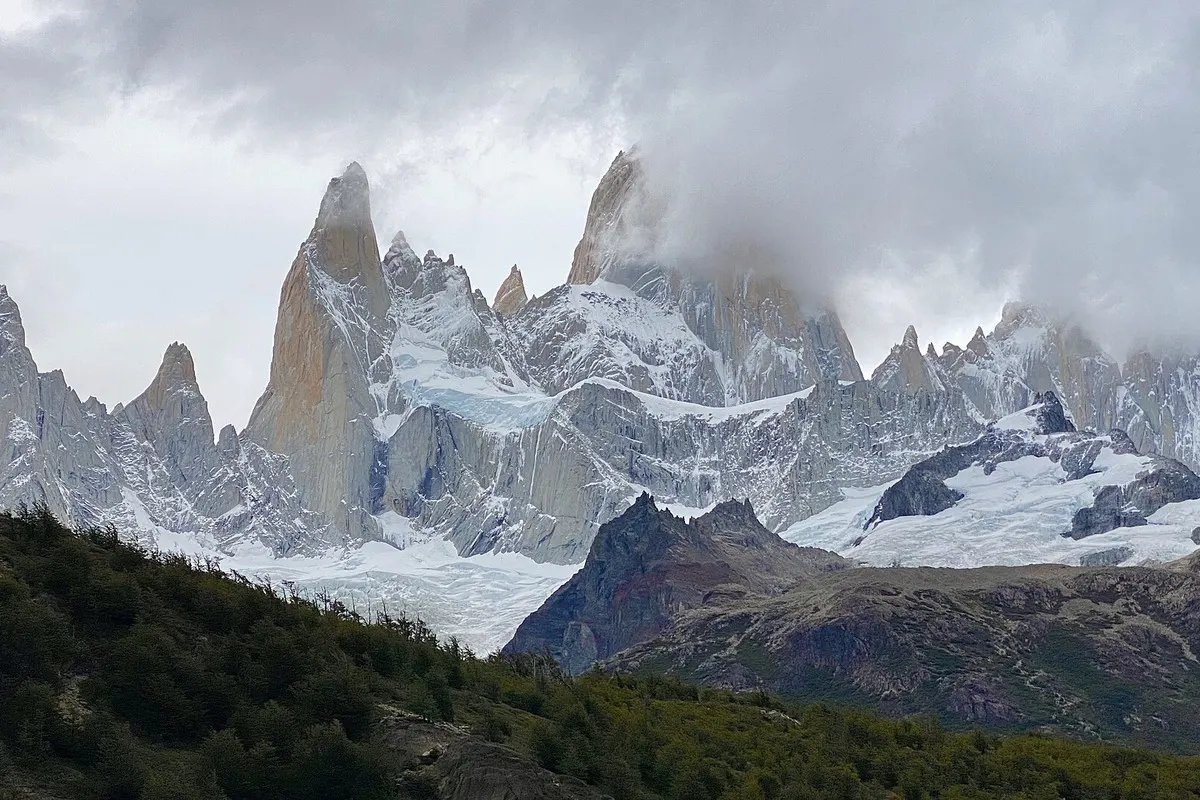
Plan El Chaltén, El Calafate and other Patagonian outdoor trips for November to March if walking is the priority. At Los Glaciares, May to September is winter, and weather can turn at any time. El Chaltén serves the park's northern trails; El Calafate is the base for visits to the Perito Moreno glacier boardwalk area. Allow separate outings for the trails and glacier boardwalk rather than squeezing both around a bus arrival. For trail reservations and the difference between the glacier and the separate national park named Perito Moreno, use the Patagonia trip planning notes.
Skiing turns the calendar around. Visit Argentina identifies Cerro Catedral near Bariloche, Chapelco near San Martín de los Andes and Las Leñas near Malargüe. Plan for June to September and check that the lifts are open. Published resort opening examples date from 2024. Check the operator’s current snow report before you lock in non-refundable travel. The skiing in Argentina guide covers the winter choice in more detail. In the lake district, summer trails and winter ski trips ask for different luggage, even if the flight destination is the same.
When are Buenos Aires, Iguazú and Mendoza most comfortable?
Buenos Aires is warm and humid in summer, with temperatures around 25–35°C. Autumn and spring offer a simpler city-walking plan, though neither is rain-proof. Jacarandás flower along Buenos Aires streets and in parks in the first weeks of November. If you travel in October or November, you can start in the city before heading south; see Buenos Aires jacarandás if that is the reason for your dates.
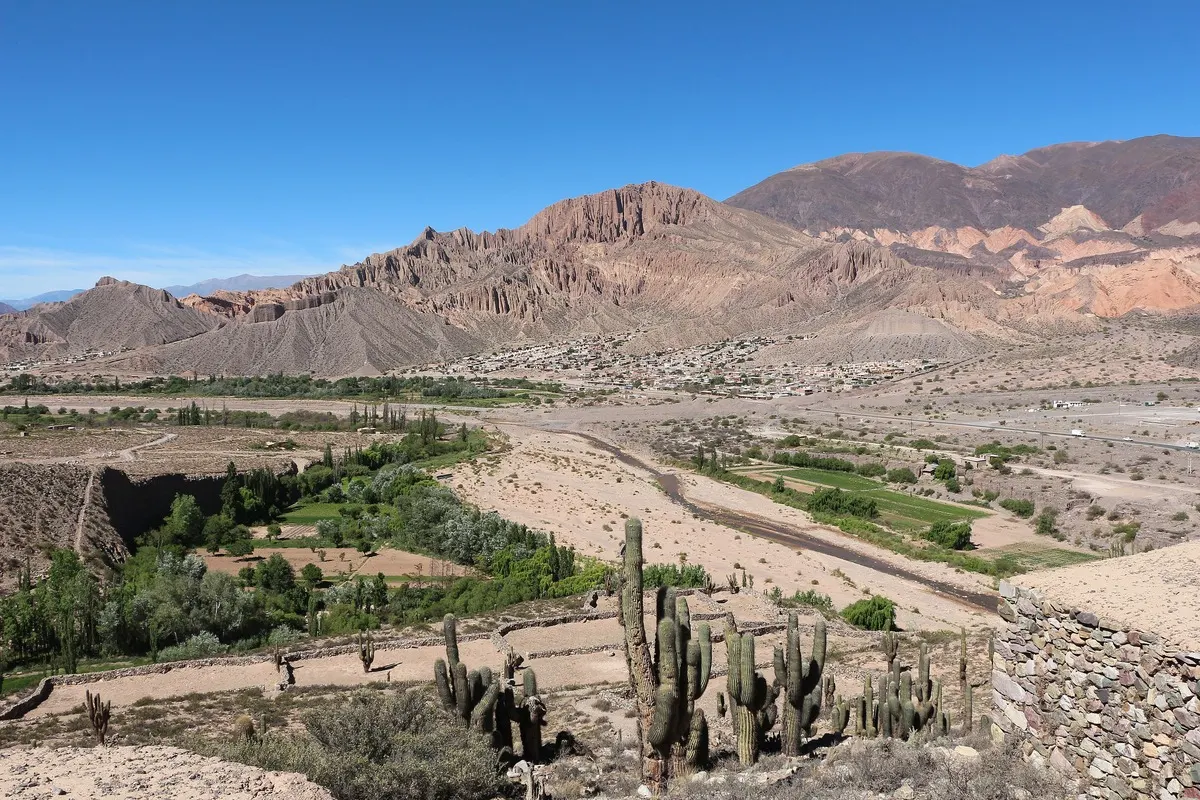
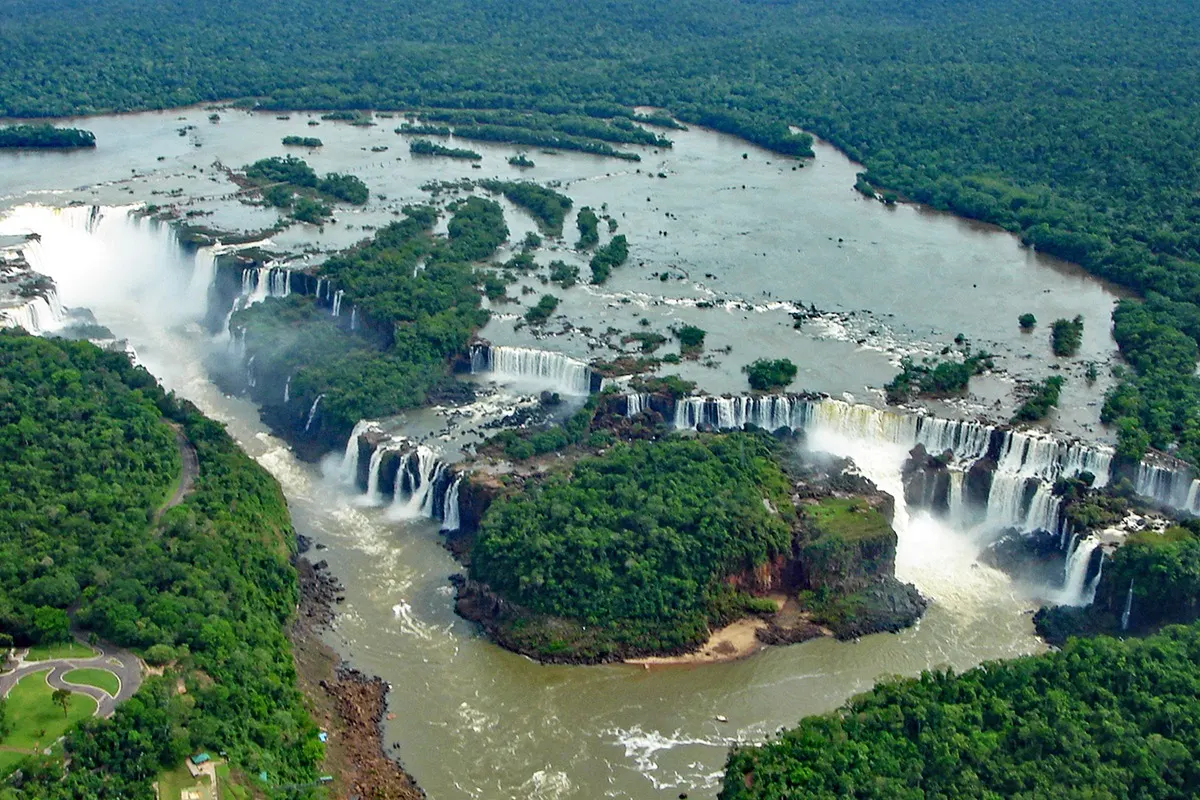
You can visit Puerto Iguazú year-round; pack for rain. Misiones is humid and rainy, especially in summer. River flow and weather change what you see at the falls. The northwest around Salta and Jujuy is a different proposition: autumn brings less rain and milder temperatures, while much of the region has a dry winter. That makes a northern trip a sensible use of Australian winter leave when Patagonian trekking is at its hardest. At altitude in the Puna, warm daytime weather elsewhere in northern Argentina tells you little about overnight conditions.
Mendoza's grape harvest concentrates attention in late summer. The national wine institute's documented 2025 harvest-progress reports ran from 9 February to 18 May; harvest dates vary, so use those reports as past examples rather than a 2027 vineyard timetable. For travellers seeking seasonal work rather than a tasting, the Mendoza harvest jobs guide separates job enquiries from tourist entry rights. Mendoza's mountain-road link to Chile is another calendar matter: winter snow can close the pass, even when the city itself is easy to visit.
How do Australian school holidays affect the trip?
For NSW public schools, the 2026–27 summer break runs from 18 December 2026 to 27 January 2027 in the eastern division and to 3 February in the western division. Other states and territories set their own dates. December and January school leave therefore overlaps Argentina's Patagonian summer, while July leave overlaps its ski season. With fixed dates, allow time for a changed departure or closed trail. Do not choose a tight connection just to fit one more stop.
You won’t be the only one travelling then. January is southern-hemisphere summer travel time; July is southern-hemisphere winter holiday time. Compare hotel, bus, and flight checkout prices for your dates; a starting fare in search results may change by the time you book. A Buenos Aires–Bariloche bus can take about a day in the dated examples in the backpacking route guide, which makes an overstuffed holiday particularly unforgiving.
Outside school breaks, October–November or March–April can suit Buenos Aires and a southern trip, with extra weather time for Patagonia. With only two or three weeks, choose a north-focused itinerary or a Patagonia-focused one. Iguazú and Ushuaia look closer on a map than they feel after a succession of travel days. Choose the season for the place you care about most, then build the rest of the journey around it.
Questions Aussies ask
Is Argentina’s summer at the same time as Australia’s?
Yes. December to February is summer in both countries, though northern Argentina can be humid while southern Patagonia remains cool.
What month is best for hiking in Patagonia?
Plan Patagonia hikes for November to March. Los Glaciares still warns that weather changes in every season.
Can I ski in Argentina during Australian winter school holidays?
Yes, July falls in the June–September ski planning window. Opening dates depend on snowfall and each resort’s current operations.
When is the Mendoza grape harvest?
Enquiries commonly target February to April, but actual harvest dates vary with weather and cultivar. The national wine institute’s 2025 progress series ran from 9 February to 18 May.
Is Iguazú best visited in winter?
Yes, Iguazú is open to visitors year-round. Winter may suit you if you want to avoid midsummer humidity, though Misiones remains humid and rainy.
Sources
- Visit Argentina: Argentina weather, temperature, rain and seasons · Regional climate and shared southern-hemisphere season calendar
- Administración de Parques Nacionales: Visiting Los Glaciares · May–September winter and variable trail weather
- Visit Argentina: Snow in Argentina and ski resort locations · Ski destinations and dated historic resort-opening information
- Instituto Nacional de Vitivinicultura: 2025 harvest progress · Documented 2025 harvest reporting period, not a future timetable
- Buenos Aires City: Jacarandás in bloom · Flowering in the first weeks of November
- NSW Government: NSW school holidays · 2026 and 2026–27 public school break dates