Christmas in Argentina for Australians: what to expect
Christmas in Argentina centres on dinner on 24 December, often followed by a midnight toast. Expect summer food such as cold vitel toné and pan dulce, and check reduced services for the 25 December public holiday.
Updated · 6 min read
The short version
- Main celebration
- Christmas Eve dinner on 24 December can run past midnight.
- Public holidays
- 25 December and 1 January
- Season
- December–February
- Call home
- Sydney/Melbourne are 14 hours ahead during AEDT.
Make your Christmas plans around Nochebuena, Christmas Eve. Families gather for dinner on 24 December and often keep going past midnight into 25 December. It’s summer, so cold vitel toné may share the table with asado and pan dulce. The next day is a national public holiday.
When do people eat, toast and exchange gifts?
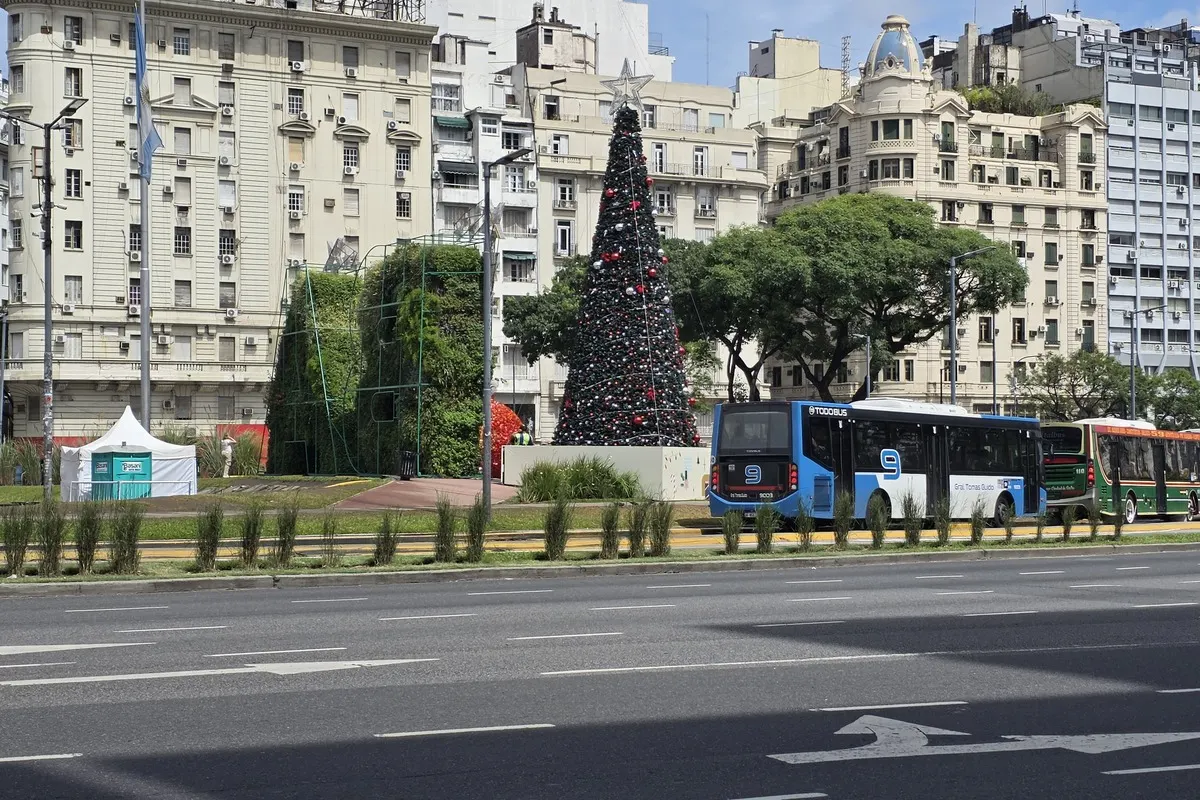
In Buenos Aires, the 24 December evening meal usually takes precedence over Christmas Day lunch. Families and friends may eat outdoors on a terrace, balcony or in a garden; around midnight comes the toast and, in some households, presents for children brought by Papá Noel (Father Christmas). Fireworks may be heard. Buenos Aires city authorities encourage quieter celebrations because pyrotechnics can disturb people and animals.
If your usual Christmas starts with a beach trip and lunch, shift your clock: the main gathering may start late on Christmas Eve, and Christmas Day itself can be slow. Argentina shares Australia’s December summer. You may still spot artificial snow and Santa in a heavy red suit. The weather feels familiar; the dinner hour takes some adjusting.
New Year's Eve, called Fin de Año or Año Nuevo around the changeover, has its own evening meal and midnight toast before 1 January. Both celebrations involve meals in the summer heat, so keep food safety in mind. Ask hosts what time they eat; an invitation for Nochebuena is for the evening of the 24th, not lunch on the 25th.
What is on an Argentine Christmas table?
Vitel toné is sliced veal served cold with a tuna-based sauce, an Italian-influenced dish that makes sense when dinner falls in summer. Other festive foods include lengua a la vinagreta (tongue in vinaigrette), salads and asado (grilled meat shared around the grill). Each household has its own menu. Pan dulce is the sweet, panettone-style festive bread; the Argentine Ministry of Justice notes it can legally be made with or without candied fruit. Fruit-free still counts, however lively the table debate gets.
The menu varies by household. Ask your host what to bring, and keep cold dishes chilled on the way over. SENASA specifically warns about transporting prepared foods containing mayonnaise or cream in summer heat. For the food culture behind a gathering at the grill, read how an Argentine asado works.
What is open on 24–25 December and New Year?
25 December and 1 January are Argentine national public holidays. Check individual holiday hours for supermarkets, banks, museums and government counters before making plans. Buy dinner supplies before shops close on 24 and 31 December, checking their holiday hours first. A restaurant advertising a Christmas Eve meal may require a booking, and a venue open on Christmas Day can still operate to a different timetable. Phone or use the venue's own current holiday notice before travelling across town.
Public transport still runs on 25 December, but less frequently, and past city holiday schedules have also shown altered subte and bus services. Check the city’s 2026 holiday timetable before setting off. The city's health-service notices distinguish emergency departments, which continue to operate, from closed outpatient clinics on public holidays. For a medical emergency in Buenos Aires, call SAME on 107. If you want a low-dependency plan for Christmas Day, the tourism office suggests Parque Tres de Febrero as a park outing; pack water and sun protection and take any food you need.
Buenos Aires city authorities have urged residents to avoid noisy pyrotechnics. If you will be out after dinner, agree where to meet your companions and how to get home on reduced services.
How can an Australian spend Christmas away from family?
Ask a local host about the evening meal before making other plans on 24 December. If travelling alone, book a Christmas Eve dinner or arrange food in advance. For the 25th, plan a walk that doesn’t depend on museums or shops being open. Nochebuena is often a household occasion, so wait for an invitation. For other ways to meet people while staying in Buenos Aires, see meeting other Australians.
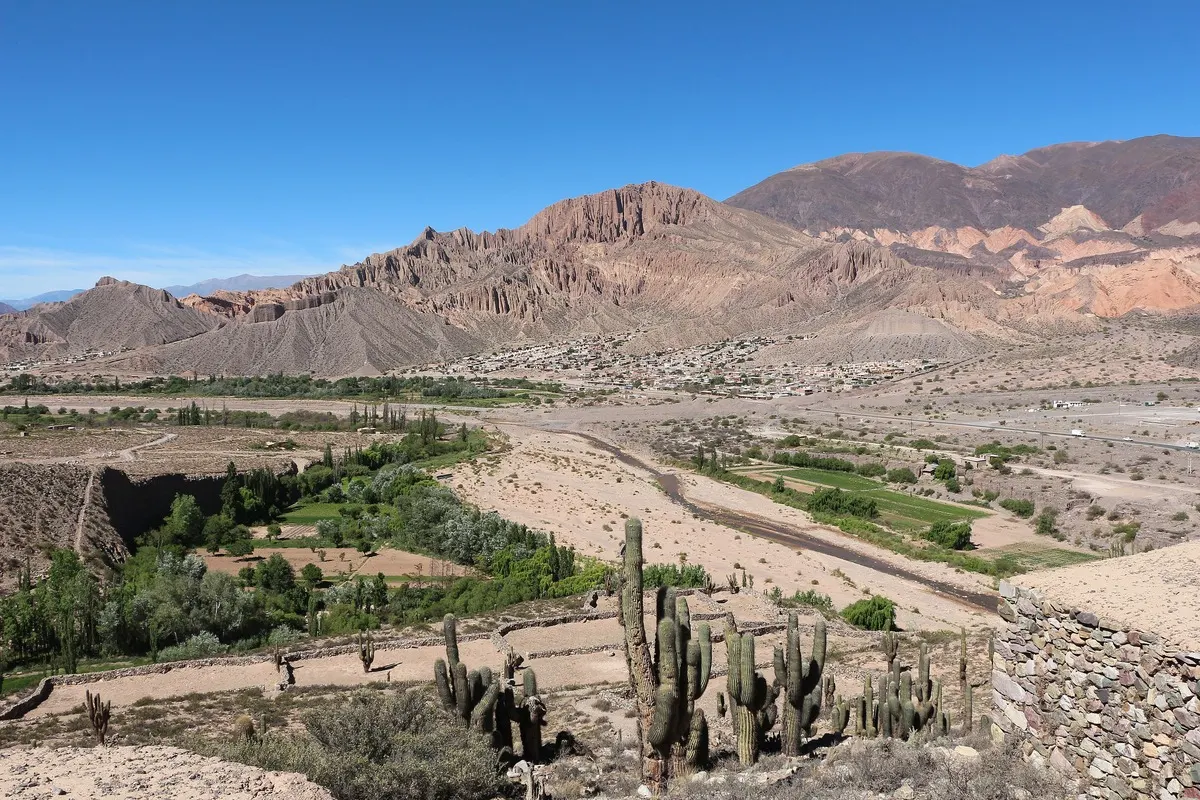
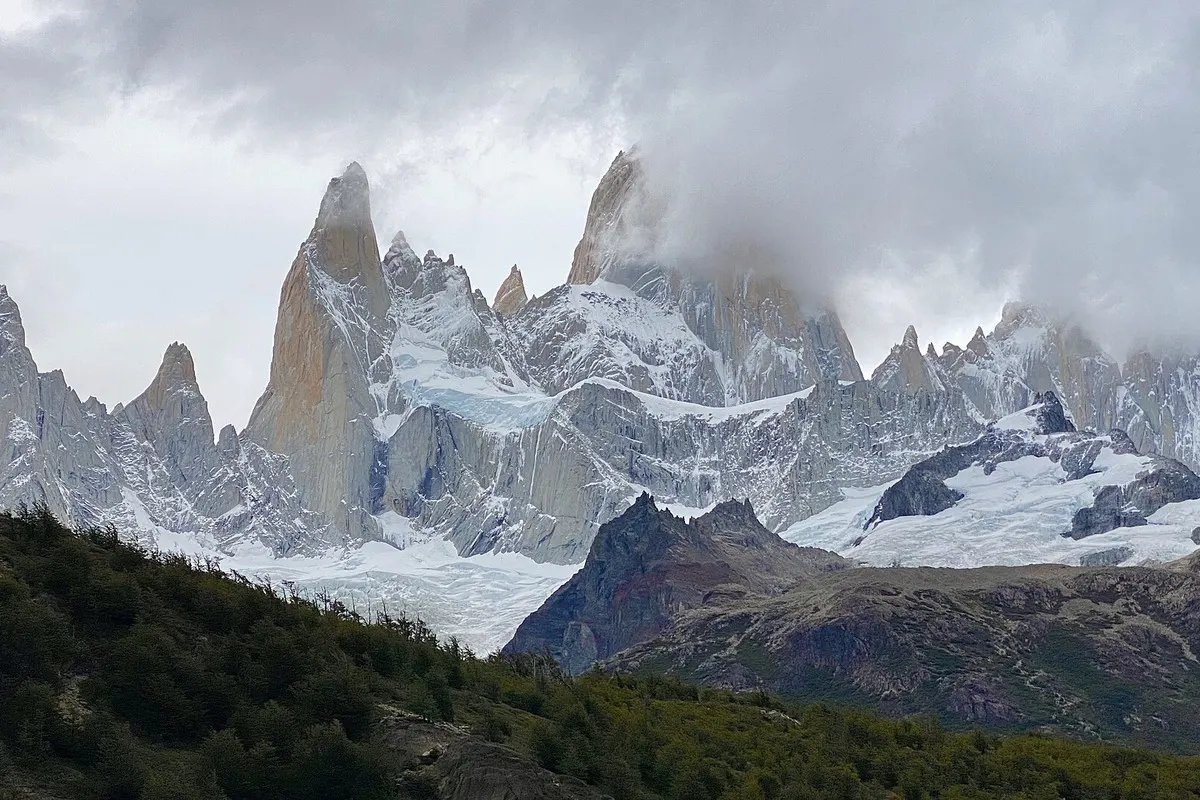
To call home, remember Buenos Aires remains at UTC−3 year-round in current time-zone data. Sydney and Melbourne are 14 hours ahead while on AEDT, which covers late December; a midnight toast in Buenos Aires reaches eastern Australia at 2 pm the next day. Perth is 11 hours ahead. Arrange the call before the party, while everyone back home has a moment to talk. If you are spending the season outside the capital, pack by Argentine region: a summer evening at altitude or in Patagonia calls for warmer layers than a Sydney barbecue.
Questions Aussies ask
Do Argentines celebrate Christmas on Christmas Eve or Christmas Day?
For many Buenos Aires families, Christmas Eve dinner on 24 December is the main celebration and continues beyond midnight. Christmas Day, 25 December, is a national public holiday.
What do people eat at Christmas in Argentina?
You might find vitel toné, pan dulce, cold salads and asado on the Christmas table. The menu varies by household.
Are restaurants and shops open on Christmas Day in Buenos Aires?
Opening hours vary on the 25 December public holiday. Book meals directly with the venue, and buy essential supplies before shops close on Christmas Eve.
Are there fireworks in Argentina at Christmas and New Year?
Fireworks may feature in private celebrations. A public display is not guaranteed; local restrictions and noise concerns affect what people can set off.
Is Christmas in Argentina cold or hot?
Christmas falls in the Argentine summer, from December to February. Buenos Aires celebrations often use terraces or gardens, although other regions have different conditions.
Sources
- Buenos Aires tourism office: ¿Una Navidad bajo el sol? ¡Animate! · Christmas Eve timing, food, summer weather and reduced 25 December transit.
- Ministerio de Justicia: Llegan las Fiestas, qué derechos acompañan las celebraciones · Public holidays, pan dulce and variable festive services.
- SENASA: Consejos para evitar enfermedades en las cenas de Navidad y Año Nuevo · Heat and cold-chain food advice for festive meals.
- Buenos Aires city: Cronograma de servicios públicos para estas fiestas · Example past holiday changes only; not a 2026 timetable.
- Buenos Aires city: En estas Fiestas, evitemos la pirotecnia
- IANA: tzdb 2026c South America rules · Buenos Aires UTC−3 current time-zone data.
- NSW Government: Daylight saving · Eastern Australian daylight-saving period.
- Smartraveller: Argentina · Buenos Aires medical emergency 107.