Teaching English in Argentina as an Australian
Australians can seek English-teaching work with institutes or private clients. Arrange permission to work before teaching and check the offered pay: advertised lesson prices are what students see, not verified teacher wages.
Updated · 6 min read

The short version
- Work permission
- Tourist entry up to 90 days excludes paid lessons
- Work and Holiday limit
- Up to 12 months; six months maximum with one employer
- Advertised lesson price
- ARS 4,000–25,000 hourly client price; not verified teacher pay
- Verified teacher wages
- No validated institute or private net wage
- Employee paperwork
- ANSES issues CUIL free; documents vary by immigration status
Before you teach English for pay in Argentina, sort your work permission and payment paperwork. Then weigh an institute job against finding private clients. Buenos Aires has both routes, though verified September 2026 take-home pay is unavailable. An Aussie accent might start a conversation. It won’t replace teaching skills, Spanish for arranging work or legal status.
Where can you find English-teaching work?
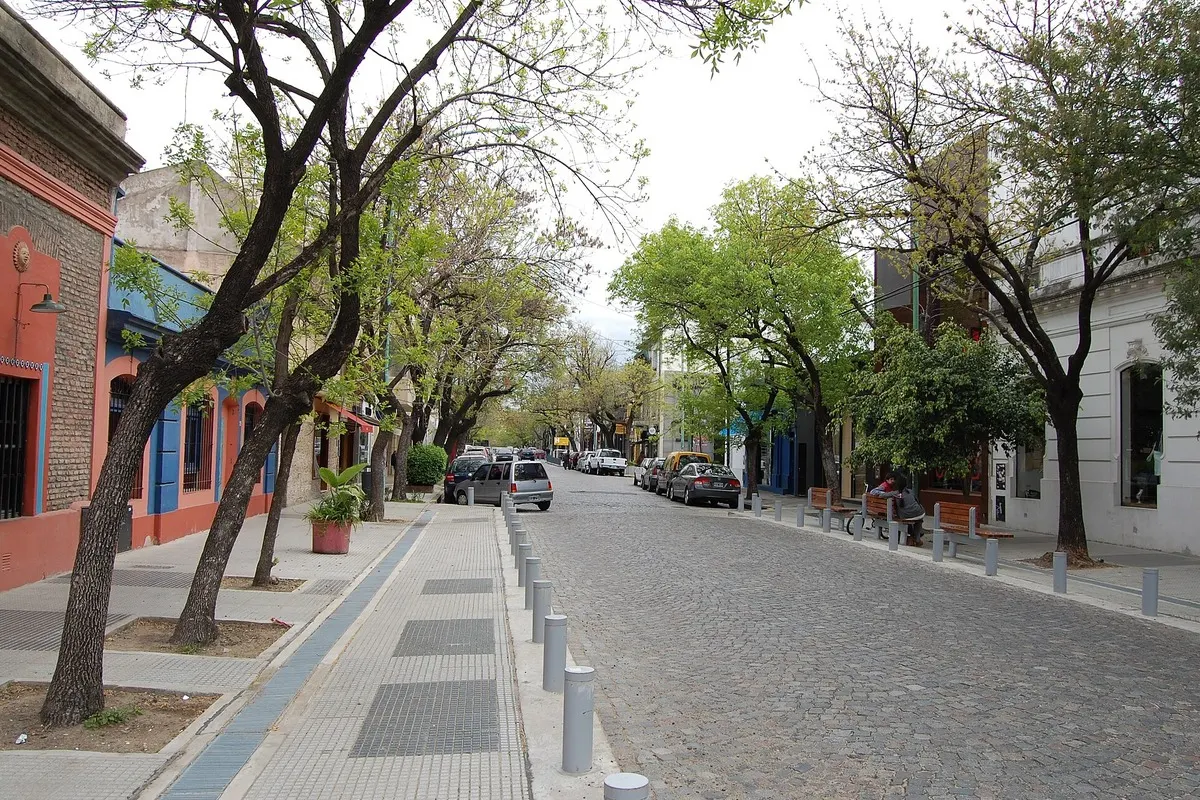
Buenos Aires has private English-teacher listings, while an Argentina-wide tutor marketplace advertises lessons across the country. Use listings to find leads, then confirm actual students or vacancies before you put the income in your budget. Institutes, individual clients and corporate conversation classes involve different contracts and different unpaid preparation or travel time. If an institute quotes a “monthly salary”, ask how many paid classroom hours it guarantees.
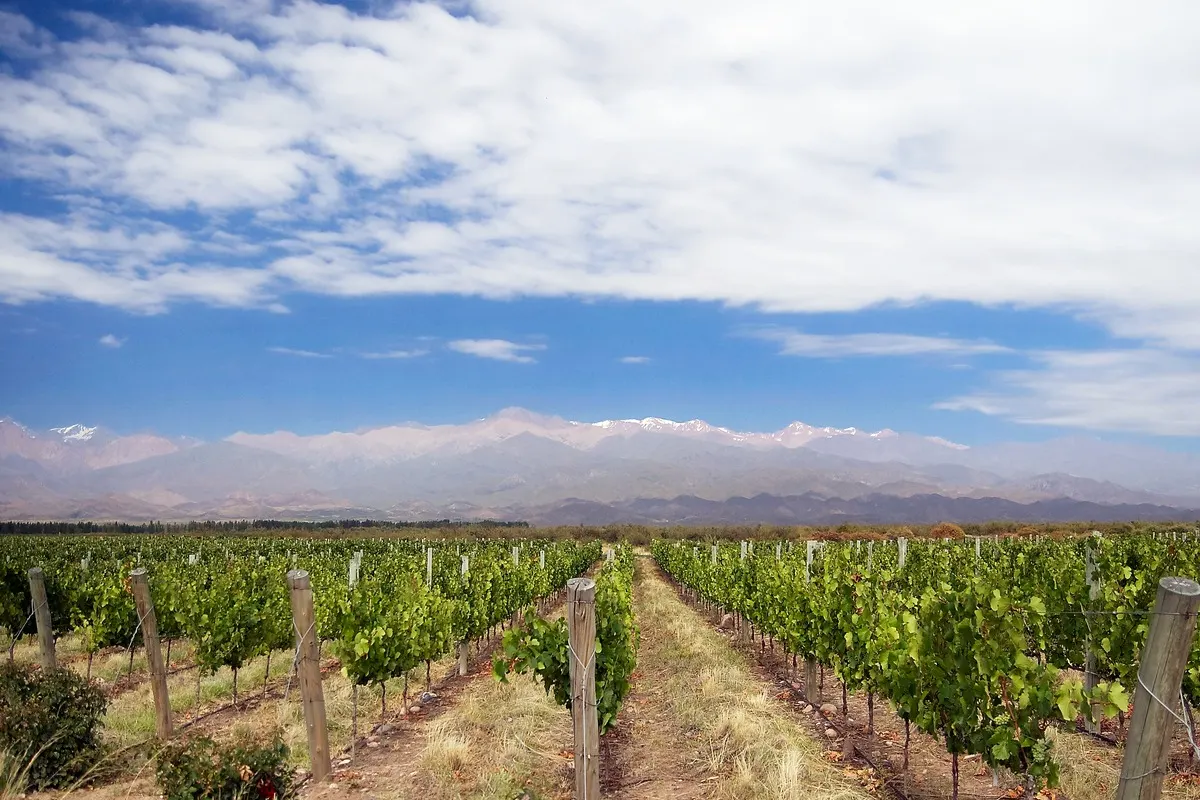
Move beyond the capital for a specific role or client base. Check local demand before moving to Mendoza, Córdoba or a ski town. If your priority is seasonal rather than classroom work, compare the calendar in working holiday jobs in Argentina.
| Route | Ask before agreeing to teach | What a listing does not prove |
|---|---|---|
| Language institute | Employee or contractor status, paid teaching hours, preparation time, cancellations, teaching credentials and pay date | A classroom timetable is not automatically a full-time paid roster. |
| Private lessons | Your client-facing lesson price, travel, cancellation terms and whether you must invoice | A displayed platform price is not your income after fees, missed classes and tax. |
| Corporate conversation | Contracting party, group size, schedule, materials and payment terms | A business-class advert is not proof of a steady weekly booking. |
Do you need a TEFL certificate or a degree?
TEFL means teaching English as a foreign language; CELTA is another teacher-training credential employers may ask about. Employer requirements vary; ask the institute which credentials it accepts. Employers may expect training or experience beyond speaking English. Ask each institute which training, degree and classroom experience it requires, whether it accepts credentials still in progress, and whether it expects teachers to prepare their own materials. Check before paying for a course because a job advert mentioned TEFL.
Argentina's Australia-specific Work and Holiday checklist requires a tertiary qualification or at least two completed undergraduate university years. The Sydney consulate publishes a different education checklist. The Work and Holiday visa article sets out the published programme and the consular discrepancy. Check immigration requirements separately from teaching credentials; a certificate is no substitute for work permission.
Spanish helps when agreeing hours and handling payroll or invoices, even if you conduct the lessons in English. For day-to-day classroom and client conversations outside the lesson itself, see learning Spanish in Buenos Aires.
How much do English teachers earn in Argentina?
No September 2026 institute payroll rate or private tutor net wage has been verified. Superprof advertised a typical Argentina-wide client-facing lesson price of ARS 4,000–25,000 an hour when checked on 29 September 2026. At Wise's 29 September mid-market quote of AUD 1 = ARS 1,066.43, that is about AUD 3.75–23.44 per lesson hour before costs or cancellations. Individual profiles were not independently checked. Budget from a written pay offer, not the price a student sees on a tutor site.
Before relying on a teaching job for living expenses, obtain the offered gross rate, paid hours and cancellation policy in writing. Ask whether lesson planning, travel and a no-show are paid, who sets the rate charged to a student, and whether you receive payslips or must invoice. If pay is proposed in USD, get the actual payment currency and conversion method, rather than translating an old peso salary at a new exchange rate.
Which work permission and tax ID do you need?
An Australian tourist can visit Argentina visa-free for up to 90 days; a tourist entry is for recreation, not paid lessons. Argentina's Work and Holiday permission allows up to 12 months, with no more than six months working for one employer. A longer contract from an institute won’t override that six-month limit. The same work-permission rule applies to paid private lessons.
For a payroll job, ANSES says a CUIL (work and social-security number) is needed when salaried employment starts and issues it free at an ANSES office. A foreigner DNI (national identity card) is one documentary route; without one, ANSES lists qualifying Migraciones or consular documents. Check the required CUIL documents before starting payroll work. Settle which document applies before an institute expects you to start.
For private clients, ARCA's monotributo (simplified monthly small-contributor tax and social-contribution scheme) is a possible invoicing framework, not permission to work. Its sequence starts with a CUIT (tax identifier) and clave fiscal (tax login), followed by electronic tax address and tax-registry activity registration before enrolment and invoicing. Whether an individual Work and Holiday holder can register and invoice depends on their status; establish that with ARCA before quoting a student. An independent tutor with CUIT does not also need a CUIL merely for that self-employed work, according to ANSES.
Is online teaching for Australian clients different?
Migraciones' digital-nomad transitory category addresses remote services to people or entities domiciled abroad, for up to 180 days with possible extension. That is a distinct question from teaching clients physically in Argentina. The category refers to independent activity but also accepts employer evidence. If you’re an Australian employee teaching online for an Australian company, check your own eligibility rather than assuming it fits. The ATO says Australian tax residents report worldwide income; foreign taxation may allow an offset. Confirm immigration and tax treatment for your own arrangement, beyond the student’s location and invoice currency.
Questions Aussies ask
Can I teach English in Argentina on a tourist entry?
No. Tourist entry covers recreation, so arrange permission before taking paid institute or private lessons.
Do Australians need a TEFL to teach English in Argentina?
Ask each institute about TEFL, CELTA, degrees and classroom experience; requirements vary. A training certificate does not grant work permission.
How much do private English tutors earn in Argentina?
A verified private tutor net wage is unavailable for September 2026. Superprof advertised ARS 4,000–25,000 per lesson hour to clients, about AUD 3.75–23.44 at the 29 September mid-market rate, before fees, cancellations and tax.
Where is demand for English teachers in Argentina?
Buenos Aires has tutor listings, with Argentina-wide marketplace adverts too. Confirm vacancies and contract terms with individual institutes before relocating.
Do I need a CUIL for private lessons?
A CUIL applies to salaried work; ANSES says self-employed workers with CUIT need no additional CUIL. Check ARCA registration and invoicing eligibility first.
Sources
- Superprof: Clases de inglés en Argentina · Low-confidence advertised client lesson prices, not teacher wages
- Wise: AUD to ARS converter · 29 September 2026 mid-market snapshot used for approximate AUD equivalents
- Argentine Foreign Ministry: Australia Work and Holiday · Work conditions and published education requirement
- Argentine Consulate Sydney: Work and Holiday in Argentina · Different consular education checklist
- Migraciones: Turistas · Tourist purpose and period
- ANSES: Obtener CUIL · Employee identification and CUIT distinction
- ARCA: Monotributo registration · Invoicing registration sequence
- ARCA: Qué es el monotributo · Monthly simplified tax scheme
- Migraciones: Residencia transitoria como Nómada Digital · Remote services to people/entities abroad
- ATO: Working overseas · Worldwide income for Australian tax residents