Buying a campo in Argentina: checks for Australian farmers
Before committing to rural land, confirm foreign-buyer eligibility for that parcel and commission independent title, survey, water and production checks. A low price per hectare is not a farm budget.
Updated · 8 min read
The short version
- Eligibility
- Confirm the rural-land regime for the parcel and buyer at purchase time.
- Separate checks
- Border-zone and water questions remain distinct from rural-land eligibility.
- Production
- Commission independent local advice rather than importing Australian assumptions.
An Australian farmer looking at a campo, rural land or a farm, needs two assessments before committing: whether the proposed buyer can legally acquire the parcel now, and whether the property supports the intended enterprise. Arrange the legal assessment with an Argentine lawyer and escribano, the notary handling the conveyance, and the production assessment with independent local specialists.
Living in Argentina and having Australian farming experience are useful starting points. Neither answers the acquisition question or proves that a particular farm will perform as expected. Start with a written operating brief, then ask for documents before paying to reserve a property. The address, parcel and proposed buyer matter more than a broad promise that foreigners can buy land.
Treat foreign-buyer eligibility as a live question
The rural-land regime under Ley 26.737 has been subject to repeal attempts and litigation. The national rural-land registry's published guidance still says the restrictions remain in force under an injunction, and a recent court development on the repeal has been reported. Confirm the position at the time of purchase with your lawyer and escribano, including its application to your transaction. Do not treat a news report as an acquisition clearance.
Ask the adviser to obtain the relevant primary court and legislative material and confirm the administrative route with the Registro Nacional de Tierras Rurales. The registry's published guidance describes a certificate process for foreign acquisitions and identifies information about the buyer and land. Have the adviser establish which requirements apply now, rather than relying on a remembered national quota or hectare limit.
Give the lawyer the ownership structure you actually intend to use. Buying personally and buying through a company require different documentary enquiries. Residence, family circumstances and the company's ownership need individual assessment. Do not set up an entity on the assumption that it removes foreign-buyer restrictions or saves every tax.
Border-security-zone permissions are a separate enquiry. The national Previa Conformidad service describes operations involving ownership, possession and tenancy in those zones. Have the precise parcel checked for its application. Ask separately about water-related limitations and provincial water rights. A favourable answer about the rural-land regime does not settle those other issues.
Define the operation before choosing the province
Write down whether you want grazing, cropping, horticulture, vines or a mixed operation. Specify whether you will manage it yourself, employ a manager or lease it to someone else. Include how often you can be on site and what Australian work or family commitments will continue. The right property for an owner-operator can be a poor choice for someone visiting periodically from Buenos Aires.
Separate a productive farm from a lifestyle property with paddocks. Ask what part of the advertised area is actually useful for the intended enterprise, including access, improvements and water. If the main purpose is a home with some land, have the legal classification checked anyway. Small area, a house or an attractive garden does not establish that a parcel is urban.
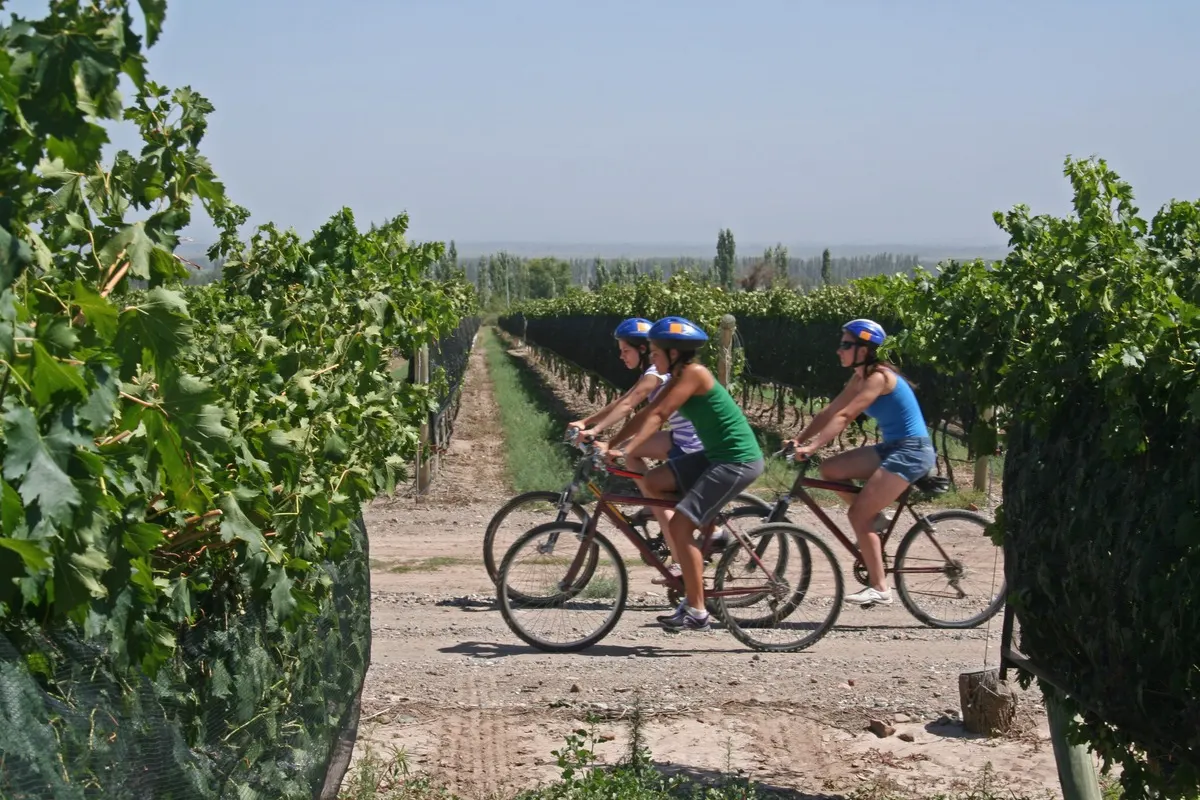
For a wine operation, use Malbec for Shiraz drinkers for local context, not as an investment model. Working a harvest and owning a vineyard are different decisions. The Mendoza harvest guide helps explain the work setting without promising that a particular vineyard is profitable.
Once your brief is realistic, browse Argentine campos for sale on PlataStar. Compare enterprises and usable land, not only advertised hectares. Request the parcel identification and a document list from the seller's representative before making a long inspection trip.
Commission independent title and survey work
Ask your escribano to examine the seller's title, authority to sell, relevant registry position and the documents needed for a valid transfer. Have them identify mortgages, restrictions or other matters affecting the proposed purchase. The seller's copy of a deed is useful input, not the end of the investigation. Do not assume the person showing the farm owns every parcel included in the description.
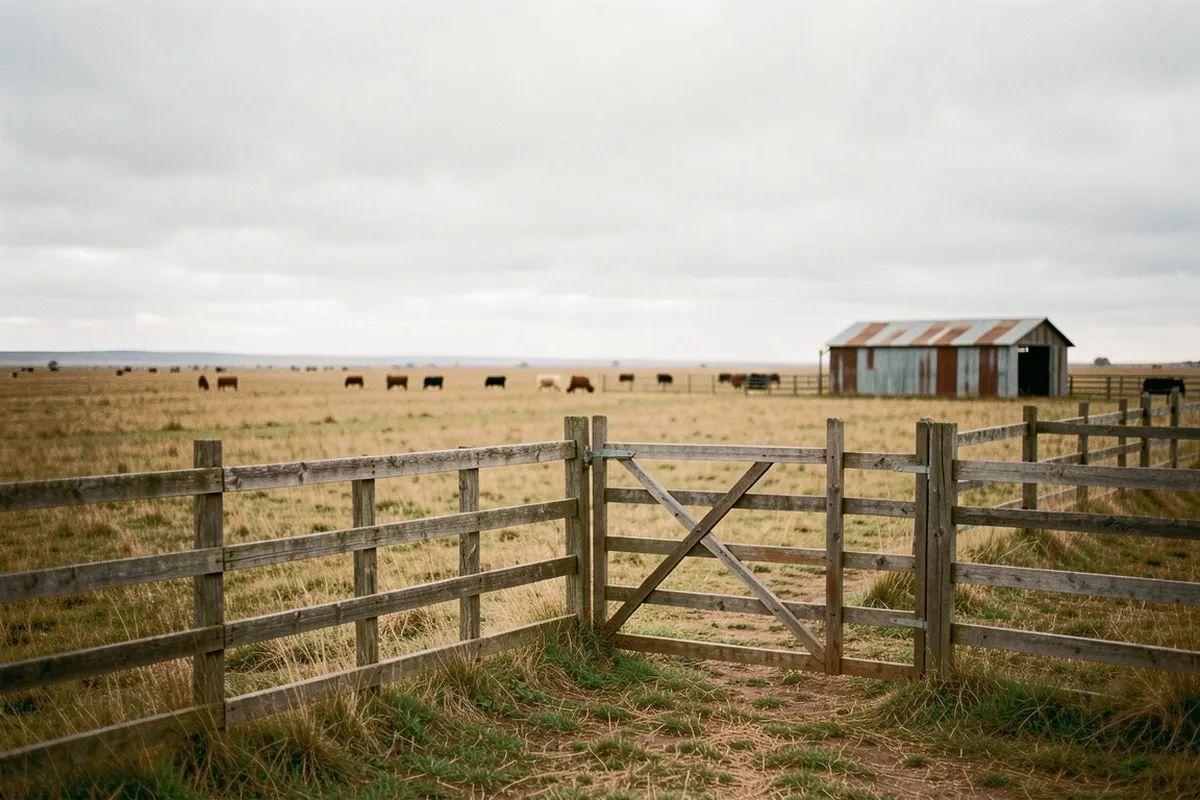
Use a locally qualified surveyor to compare the cadastral plan with the land on the ground. Ask about boundary discrepancies, fences, occupied areas and access. Have the advisers establish whether an access road is public, legally secured through another parcel or dependent on an informal arrangement. A gate and wheel tracks demonstrate physical access, not the legal right to use it.
The rural-land certificate service's document list includes title, cadastral certificate, fiscal valuation and cadastral plan. These are a useful starting point for the adviser even while the applicable acquisition route is being confirmed. Ask for missing documents early. Any deadline in a proposed reservation should leave enough time for proper investigation and any necessary approvals.
Make water a separate file
Ask the relevant provincial water authority and your advisers about the source, authorised use and transfer position for the intended activity. Surface water, an irrigation allocation and a bore are not interchangeable. A pump on the property does not prove the legal entitlement, capacity or suitability of the supply.
Obtain records about availability and restrictions, then commission the tests your enterprise needs. Ask who maintains shared canals, pumps or delivery infrastructure and how charges are allocated. Look for evidence across different seasons, rather than accepting a demonstration on the viewing day as proof of reliable year-round supply.
For a property beside a river, lake or wetland, have the legal team examine water-related restrictions and the surveyor assess the boundary position. Do not rely on a fixed setback someone remembers from another province. Make any essential water entitlement and relevant approvals part of the written transaction conditions your lawyer prepares.
If you are also comparing smaller parcels, compare land parcels on PlataStar and ask for their classification. A terreno listing is not proof that agricultural use, subdivision or a dwelling will be permitted.
Check production with someone who is not selling the farm
Engage an independent agronomist or other suitable specialist. Ask them to inspect soils, drainage, weeds and the condition of improvements against your actual production plan. Obtain farm records that can be examined, including management history and any relevant testing. Do not turn the seller's best season into your expected annual result.
INTA publishes research, extension resources, agroclimatic information and a network of offices. Use that regional information to frame questions for the consultant. It is context, not a certification of the property or a guarantee of its output. Ask which local conditions differ from the Australian operation you know.
Inspect fences, yards, sheds and machinery included in the sale. Have specialists assess important equipment and verify ownership. Map the trip for inputs and produce to the relevant destination, and ask what happens to access in poor weather. A farm's operating costs include the journeys and maintenance that the listing photograph leaves out.
Existing people and arrangements need their own review
Ask who currently occupies or operates the property. Have your lawyer examine leases, share-farming arrangements, worker accommodation and any proposed continuation after purchase. Your accountant should review staffing and operational obligations alongside the documents. “Vacant at settlement” needs a workable written meaning, not an expectation that everyone will leave when you arrive.
SENASA's RENSPA identifies the producer, production and premises for agricultural and forestry activity. Its guidance says registration is mandatory for those activities and explicitly says RENSPA is not a premises authorisation. Have the local SENASA office advise on your proposed operation and the registration or update required. A seller's number is not a blanket permission for whatever you want to do next.
Ask about other environmental, municipal and provincial requirements for the actual activity. Changing the enterprise, building new accommodation or processing products on site can introduce questions separate from owning the paddock. Get those assessed before treating the acquisition as a turnkey business.
Compare total capital and a difficult season
Build a budget from quotes for advice, survey work, acquisition charges, repairs and working capital. Have the accountant specify tax treatment for the transaction and operating structure. Keep land cost separate from livestock, equipment and the cash needed before receipts arrive. No national farm-price average can replace this exercise.
Stress-test the operation with your adviser: lower output, delayed sales, unexpected water problems and a manager unavailable when you need them. Use your Australian experience to ask better questions, not to import a stocking rate or margin without local evidence. Have the proposed payment method and funding documentation reviewed before sending money.
If the farm brief is specific, post your farm and rural-land requirement on PlataStar with the enterprise, location, water needs and management plan. Proceed only after your independent team can explain both the legal route and the operating risks. A campo that cannot satisfy an essential condition is not a bargain simply because the hectare price looks attractive.
Questions Aussies ask
Can Australians currently buy rural land in Argentina?
Have a lawyer and escribano confirm eligibility and the administrative route for the exact parcel and proposed buyer. Do not rely on a general statement or recent reports about the repeal.
Does living here remove every foreign-buyer restriction?
Not automatically. Residence and family circumstances require individual legal assessment, as does buying through a company.
Is RENSPA proof that the farm is authorised?
No. SENASA says it identifies the producer and production site, not that it is a premises authorisation. Ask about registration and the separate permissions for your enterprise.
Can I assume a bore includes the right to irrigate?
No. Check the legal entitlement and intended use with the provincial water authority, and have capacity and quality assessed independently.
Should I compare farms by price per hectare?
Use it only as an initial comparison. Productive area, water, improvements, access, existing arrangements and working capital can change the decision entirely.